
Exploring the psychology behind casino design
The Allure of Sensory Experience
The design of a casino is meticulously crafted to engage the senses, creating an environment where individuals feel enveloped by excitement and allure. From the moment a guest steps inside, they are greeted by vibrant colors, flashing lights, and a symphony of sounds from machines and games. This sensory overload is intentional, as it serves to heighten the emotional experience, making players more susceptible to extended periods of gambling at betting sites that offer a variety of games. The carefully constructed atmosphere encourages patrons to lose track of time and reality, fostering a deeper connection to the venue.
Furthermore, the use of scent plays a significant role in casino design. Many establishments utilize specific fragrances to evoke feelings of relaxation, happiness, or nostalgia, subtly influencing guests’ moods and making them more likely to stay longer. For example, floral or fruity scents can create a positive association with the space, promoting a sense of well-being. This seemingly simple element is a powerful tool in the overall design strategy, aimed at enhancing the gambling experience.
The strategic arrangement of gaming tables and slot machines is another critical aspect of sensory engagement. Casinos often employ open floor plans that allow for easy navigation while maximizing visibility. This design choice not only facilitates movement but also encourages interaction among players, fostering a communal atmosphere. By promoting social engagement, casinos enhance the thrill of gambling, as individuals share experiences and successes, making it a more enticing endeavor.
The Power of Layout and Flow
The layout of a casino is intentionally designed to manipulate player behavior, guiding them through various areas while maximizing exposure to games and amenities. By creating a winding path or using strategic focal points, design teams can control foot traffic, ensuring that guests encounter numerous machines and tables as they navigate the space. This design promotes exploration, making it less likely for players to leave without engaging in gambling activities.
Moreover, the concept of “loss aversion” plays a vital role in the casino’s layout. Research shows that people are more motivated by the fear of losing than the prospect of winning. Casinos leverage this psychological principle by placing high-stakes games near entrances or exits, creating a sense of urgency and temptation. Patrons, driven by potential losses, might be more inclined to stop and play a few rounds, leading to increased gaming revenue for the casino.
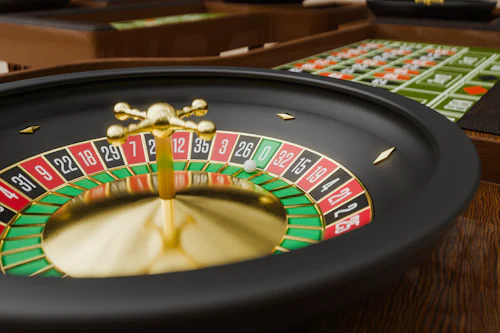
This layout is also enhanced by strategically placed amenities such as bars and restaurants, which serve to prolong the stay of guests. By integrating these facilities within the gaming area, casinos create a seamless experience that encourages visitors to indulge further. The combination of gambling and socialization blurs the lines between leisure and gaming, further entrenching guests in the casino environment.
The Impact of Color and Lighting
A critical component of casino design is the deliberate use of color and lighting to influence player psychology. Bright and bold colors like red, gold, and purple are often employed to energize the environment and instill a sense of excitement. These colors are believed to stimulate the senses, promoting a feeling of happiness and encouraging risk-taking behavior, which is integral to gambling.
Lighting, too, plays an essential role in shaping the mood of the space. Casinos often utilize a combination of spotlights and ambient lighting to create an inviting yet dynamic atmosphere. Dim lighting can induce a sense of intimacy, making areas feel more exclusive and encouraging social interaction. Furthermore, the use of flashing lights on gaming machines can create a sense of urgency, enticing players to engage with them. This interplay between light and color enhances the overall gambling experience, making it more alluring for visitors.
Additionally, casinos frequently use “winners’ lights,” which are flashing lights that activate when a player hits a jackpot. These lights serve a dual purpose: they not only create excitement but also act as a psychological trigger for other players. By showcasing wins, the casino suggests that success is achievable, prompting others to gamble more in hopes of experiencing the same thrill. This clever manipulation of light and color is key to retaining player interest and increasing gaming duration.
The Role of Social Interaction
Casinos are not mere gambling venues; they are social hubs that facilitate interaction among players. The design of these spaces fosters a sense of community, encouraging guests to engage with one another. Group games like poker or blackjack inherently promote interaction, but the architecture of the casino itself is also designed to invite social engagement. For instance, circular layouts around tables can create an inclusive atmosphere, making it easy for spectators and players alike to converse and share in the excitement.
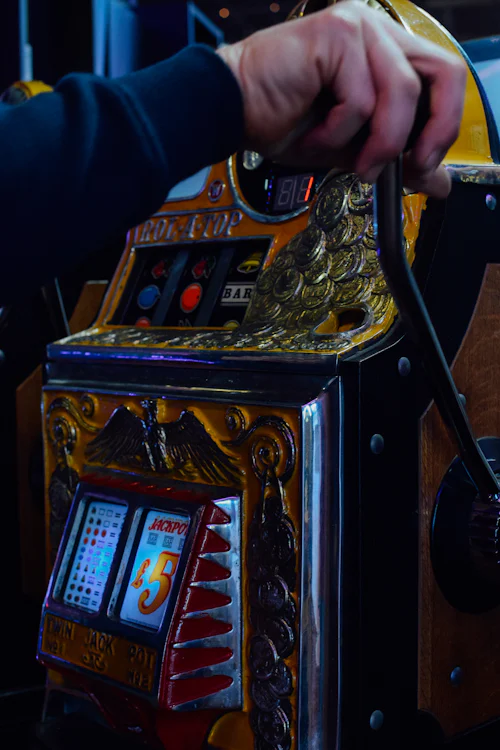
Moreover, social proof is a psychological phenomenon leveraged by casinos to enhance the gaming experience. Seeing others win or have fun creates a sense of validation and encourages onlookers to join in. This phenomenon is heightened in areas where the design encourages crowding, making it easier for players to see others’ successes. The more social interaction present, the more likely guests are to stay and play, driven by the fear of missing out on the action.
The role of social interaction is further emphasized through the use of lounges and bars within casinos. These areas serve as spaces for guests to gather, offering a respite from gaming while still fostering a connection to the overall experience. By providing comfortable seating and social opportunities, casinos enhance the allure of the gambling environment, making it a desirable destination for both individual players and groups.
Understanding Casino Design Through Behavioral Insights
In the world of casino design, understanding player behavior is essential to creating an engaging and lucrative environment. Behavioral insights into how individuals make decisions help designers craft layouts and experiences that align with psychological tendencies. For example, the principle of “the near miss” is often utilized, wherein players are shown outcomes that are just shy of a win. This strategy encourages continued play, as individuals believe that they are close to winning and may be motivated to keep trying.
Additionally, the concept of “anchoring” is prevalent in casino design. This occurs when players rely on the first piece of information presented to them when making decisions. Casinos leverage this by placing high-stakes games in prominent locations, leading individuals to anchor their perception of what constitutes excitement or a good time around these games. By doing so, they can manipulate players’ expectations and desires, encouraging them to engage more deeply with the gambling experience.
Understanding these behavioral insights not only informs how casinos are designed but also how they market themselves. By using data-driven approaches to analyze player behavior, casinos can tailor promotions and experiences that resonate with their target audience. This holistic understanding allows casinos to remain competitive by continually refining their approach to game offerings, layout, and overall ambience, ensuring that they remain appealing destinations for both new and returning visitors.